

Physiotherapy for Sciatica Pain Relief
Sciatica Treatment
Sharp, shooting pain travelling down your leg? Sciatica can make sitting, standing, and even sleeping difficult. At SportsHealth Physio, our experienced physiotherapists provide same day appointments for sciatica assessment and treatment at our Richmond and South Yarra clinics.
Whether your sciatica has started suddenly or has been building over weeks, our team uses a combination of hands-on therapy, targeted exercises, and advanced treatments like shockwave therapy and dry needling to help reduce your pain and get you moving again.

What Is Sciatica?
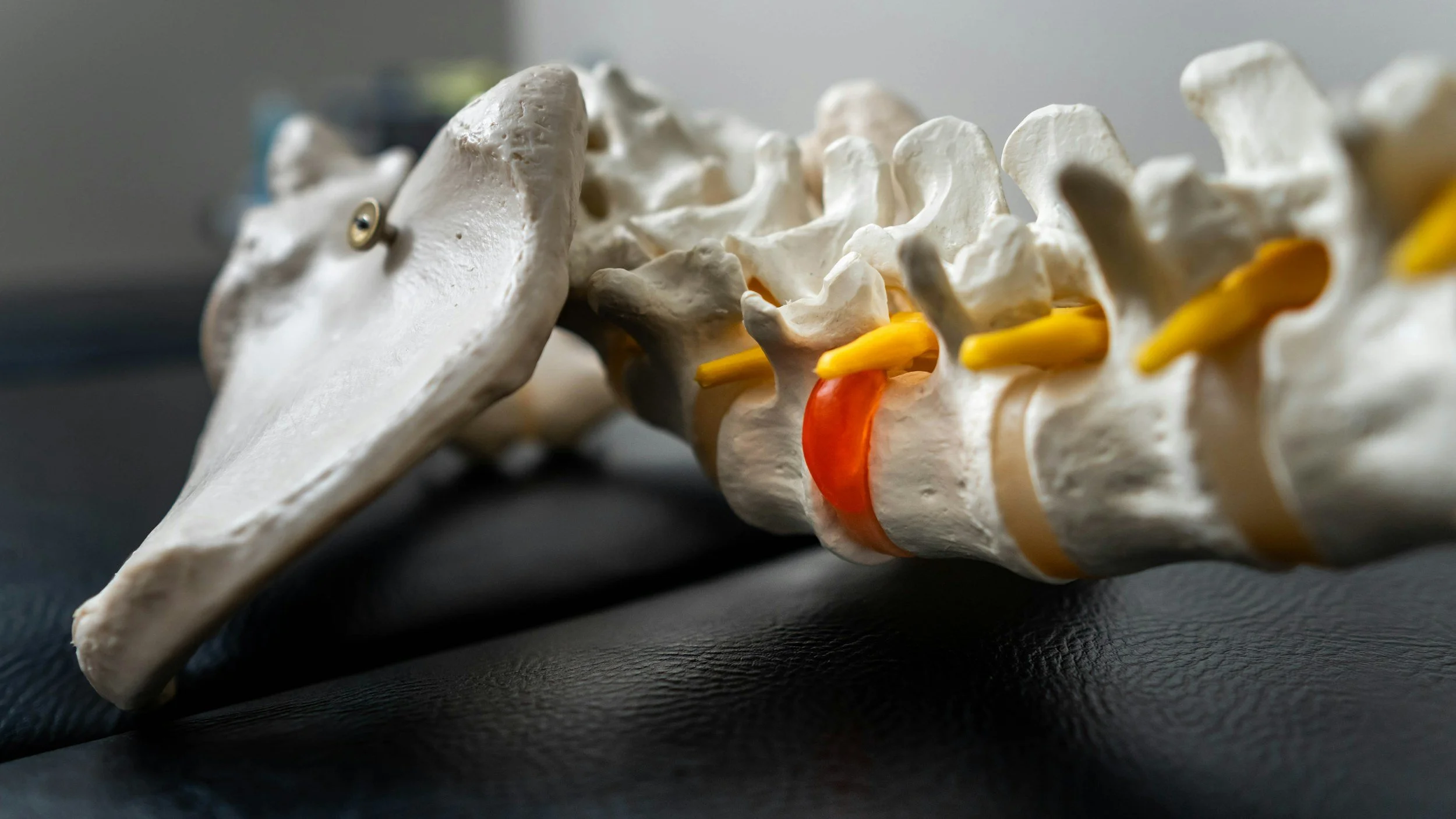
Sciatica refers to pain that travels along the path of the sciatic nerve, which runs from your lower back through your hips and buttocks and down each leg. It typically affects one side of the body and can range from a mild ache to sharp, burning pain or even numbness and tingling in the leg or foot.
Sciatica is not a diagnosis on its own; it is a symptom of an underlying condition affecting the sciatic nerve. The most common causes include:
Disc bulge or herniation: when a spinal disc presses on the nerve root in the lumbar spine
Spinal stenosis: narrowing of the spinal canal that compresses the nerve
Piriformis syndrome: tightness or spasm in the piriformis muscle irritating the sciatic nerve
Degenerative disc disease: age-related changes that reduce disc height and compress nearby nerves
Spondylolisthesis: a vertebra slipping forward and pinching the nerve
Understanding what is driving your sciatica is essential to effective treatment. Our physiotherapists conduct a thorough assessment to identify the cause and develop a targeted treatment plan.
Common Sciatica Symptoms
Sciatica presents differently in each person. You may experience one or several of the following symptoms:
Pain radiating from the lower back into the buttock, thigh, calf, or foot
Sharp or burning sensation along the back or outside of the leg
Numbness, tingling, or a pins-and-needles feeling in the leg or foot
Weakness in the affected leg, making it difficult to stand or walk
Pain that worsens with prolonged sitting, bending, or coughing
Difficulty changing positions, particularly when getting up from a chair or out of bed
If you notice sudden loss of bladder or bowel control, severe leg weakness, or numbness in the groin area, seek emergency medical attention immediately. These may indicate a serious condition called cauda equina syndrome that requires urgent care.
How Physiotherapy May Help With Sciatica
Physiotherapy is widely recommended as a first-line approach for managing sciatica. Current clinical guidelines support manual therapy, exercise-based rehabilitation, and patient education as effective strategies for reducing sciatic pain and improving function.
At SportsHealth Physio, our physiotherapists use a combination of approaches tailored to your specific presentation:
Hands-On Physiotherapy
Soft tissue techniques and joint mobilisation can help relieve muscle spasm, reduce nerve irritation, and improve spinal mobility. Our clinicians assess your movement patterns to identify areas of restriction contributing to your symptoms.
Dry Needling
Dry needling can help release deep muscle tension in the lower back, gluteal region, and piriformis that may be contributing to sciatic nerve irritation. Most of our clinicians are certified in dry needling and use it alongside other treatment approaches.
Exercise Rehabilitation
Targeted exercises are an important part of sciatica treatment. Your physiotherapist may prescribe nerve glides, stretches, and strengthening exercises to reduce nerve sensitivity, improve movement, and help prevent future flare-ups.
Shockwave Therapy
For persistent sciatica, shockwave therapy may help reduce pain and support tissue recovery. Our certified physiotherapists will assess whether this treatment is suitable for your condition before proceeding.
Education and Self-Management
Understanding your condition is key to recovery. We provide advice on posture, ergonomics, activity modification, and home exercises to help you manage symptoms and reduce flare-ups.
What to Expect at Your Appointment
Your first appointment at SportsHealth Physio includes a comprehensive assessment to identify the source and severity of your sciatica. Here is what a typical appointment involves:
Detailed history: we discuss when your symptoms started, what aggravates or eases them, and any relevant medical history or imaging.
Physical assessment: your physiotherapist examines your spinal movement, nerve function, muscle strength, and flexibility to determine the underlying cause.
Treatment: based on the assessment findings, treatment begins in the same session. This may include hands-on therapy, dry needling, or shockwave therapy combined with guided exercises.
Home program: you receive a personalised exercise and management plan to continue your recovery at home.
Same day appointments are available at both our Richmond and South Yarra clinics. If your sciatica started today, we aim to see you today.
Who We Help
Sciatica does not only affect athletes or gym-goers. At SportsHealth Physio, we regularly help people from all walks of life manage and recover from sciatic pain, including:
Office workers dealing with sciatica from prolonged sitting and poor desk posture
Active adults whose sciatica is limiting their exercise, sport, or daily activities
Older adults experiencing sciatica related to degenerative spinal changes
Tradespeople and manual workers with sciatica from heavy lifting or repetitive bending
Post-surgical patients recovering from spinal procedures who need guided rehabilitation
We accept private health insurance, WorkCover, TAC, NDIS, and Medicare (with a valid referral from your GP). Our clinics are open seven days a week, making it easier to fit appointments around your schedule.

Convenient Clinic Locations
620 Victoria Street, Richmond VIC 3121
Located in Victoria Gardens Shopping Centre, our Richmond clinic services patients from Abbotsford, Hawthorn, Burnley, Collingwood, and East Melbourne.
38-40 Garden Street, South Yarra VIC 3141
Located opposite The Jam Factory, our South Yarra clinic is convenient for patients from Toorak, Prahran, Cremorne, and St Kilda.
Both clinics offer same day appointments, modern treatment facilities, and physiotherapists trained in dry needling and shockwave therapy.
Frequently Asked Questions
Still have questions? Take a look at the FAQ or reach out anytime. If you’re feeling ready, go ahead and apply.
-
Most episodes of sciatica improve within 4 to 8 weeks with appropriate management. The timeline depends on the underlying cause, severity, and how consistently you follow your treatment plan. Your physiotherapist can give you a more specific estimate after your initial assessment.
-
Gentle movement is generally recommended over prolonged bed rest. While it may be tempting to avoid activity, staying sedentary can actually prolong recovery. Walking, gentle stretching, and prescribed exercises help maintain mobility and may reduce nerve sensitivity.
-
Sciatica can recur, particularly if the underlying cause is not fully addressed. Strengthening the core and lumbar stabilisers, maintaining good posture, and continuing your home exercise program can help reduce the risk of future episodes.
-
Most cases of sciatica do not require imaging in the early stages. Your physiotherapist can conduct a thorough clinical assessment to guide treatment. If your symptoms are not improving as expected, or if there are signs of a more serious condition, your physiotherapist may recommend imaging and refer you to your GP or specialist.
-
Not exactly. Lower back pain refers to pain localised to the lumbar region, while sciatica involves pain radiating along the sciatic nerve into the leg. However, the two often occur together, as many conditions that cause lower back pain can also irritate the sciatic nerve.
-
Physiotherapy is a recommended first-line treatment for sciatica associated with disc bulges. Evidence-based approaches including manual therapy, specific exercises, and load management can help reduce symptoms and improve function. Many people with disc-related sciatica recover well without surgical intervention.
-
Common exercises used in sciatica management include sciatic nerve glides, piriformis stretches, lumbar extension exercises, and progressive core strengthening. The right exercises depend on the cause and presentation of your sciatica, so it is best to have your physiotherapist prescribe a program tailored to your specific needs.
-
For current pricing and to check if you are eligible for a rebate through your private health fund, Medicare, WorkCover, TAC, or NDIS, please contact our team or visit our bookings page.
-
No referral is needed to see a physiotherapist in Australia. You can book directly with our team. However, if you are claiming through Medicare, WorkCover, TAC, or NDIS, a referral or care plan from your GP may be required.
-
Yes. We offer same day appointments at both our Richmond and South Yarra clinics. Call us on (03) 8395 4050 or book online to secure a time that suits you.