

Physiotherapy for Neck Pain
Neck Pain Treatment
At SportsHealth Physio, our AHPRA registered physiotherapists provide same day appointments for neck pain assessment and treatment at our Richmond and South Yarra clinics. Treatment combines hands-on therapy, targeted exercise, dry needling, and shockwave therapy, tailored to what your assessment reveals.
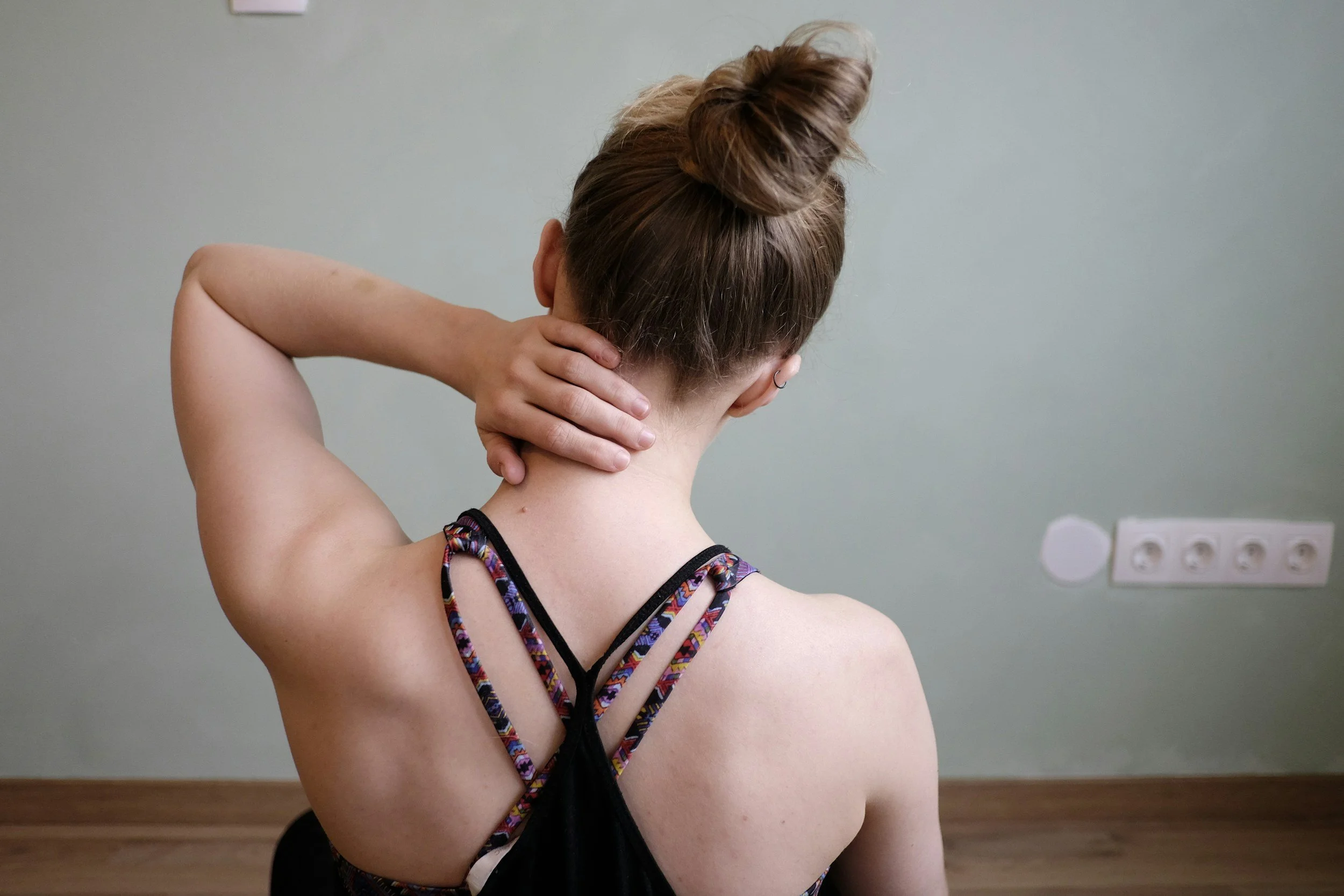
What Is Neck Pain?
Lower back pain refers to discomfort felt anywhere between the bottom of the ribs and the top of the legs. It may be a dull ache, a sharp catch when you move, or a band of tightness across the lumbar spine. It can appear suddenly after a single movement, or build gradually over weeks and months.
Around 90 percent of lower back pain is classified as mechanical or non-specific, meaning it relates to how the spine, muscles, and joints are moving and loading rather than to structural damage or serious disease. This is reassuring, because mechanical pain generally responds well to movement, education, and physiotherapy-led rehabilitation.
Pain is also influenced by sleep, stress, workload, and previous injury history, which is why two people with a similar scan can have very different experiences.
Neck Pain Symptoms To Look Out For
Presentations vary widely. You may notice one or several of the following:
Stiffness or restricted movement when turning, looking up, or reversing the car
A band of tightness or aching across the upper shoulders
Pain that worsens through the working day or after screen time
Headaches beginning at the base of the skull
Pain, tingling, or numbness travelling into the shoulder, arm, or fingers
Weak grip or difficulty lifting the arm
Waking with pain or stiffness that eases as the day progresses

When To Seek Urgent Medical Care
Some symptoms require immediate assessment at a hospital emergency department rather than a physiotherapy appointment. These include neck pain after major trauma such as a car accident, fall, or head strike; fever, night sweats, or recent infection; unexplained weight loss or a history of cancer; new weakness, clumsiness, or difficulty walking; numbness in both arms or legs, or bladder or bowel changes; and a sudden, severe headache unlike any you have had before. These presentations are uncommon, but they matter.
How Physiotherapy May Help Neck Pain
Australian and international clinical guidelines recommend physiotherapy as a first-line approach for most lower back pain, ahead of imaging, injections, or surgery. Manual therapy, graded exercise, and patient education are consistently supported as effective components of care. Outcomes vary between individuals.
At SportsHealth Physio, treatment is tailored to your presentation and may include:
Hands-On Physiotherapy
Soft tissue therapy and joint mobilisation can help settle muscle spasm, improve lumbar mobility, and reduce pain, particularly in the early stages of an acute episode.
Dry Needling
Dry needling can help release deep trigger points through the upper trapezius, levator scapulae, and suboccipital muscles that may be contributing to your pain and headaches. Our clinicians certified in dry needling use it alongside other treatment rather than in isolation.
Exercise Rehabilitation
Graded exercise is the most reliable way to reduce recurrence. Your program may target the deep neck flexors, scapular stabilisers, and thoracic mobility, progressing as your symptoms settle and your tolerance improves.
Shockwave Therapy
For persistent muscular tightness that has not responded to manual therapy, shockwave therapy may help reduce pain and support tissue recovery. Our certified physiotherapists complete a pre-treatment screening to assess whether it is clinically appropriate for you.
Education And Self-Management
Understanding why your neck hurts changes how you respond to it. You receive a home program with video demonstrations and written instructions, plus guidance on sleep positioning, pillow choice, heat use, safe return to training.
Ergonomic And Postural Guidance
Where desk setup or device use is contributing, we assess your working posture and provide practical adjustments you can apply the same day, along with movement breaks that fit a real working schedule.
What to Expect at Your Appointment
Your first appointment is built around understanding the cause of your pain and starting treatment the same day.
Detailed history: we discuss when the pain started, what aggravates and eases it, your work and activity demands, and any relevant imaging or medical history.
Physical assessment: your physiotherapist examines spinal movement, muscle strength, nerve function, and flexibility, and screens for red flags.
Treatment on the day: based on the findings, treatment begins in the same session, which may combine hands-on therapy, dry needling, or shockwave therapy with guided exercise.
Home program: you leave with a personalised exercise and management plan, plus clear advice on what to do over the next few days.
Same day appointments are available at both clinics. If your back pain started today, we aim to see you today.
Who We Help With Neck Pain
Neck pain is one of the most common presentations across both clinics. We regularly treat:
Office and hybrid workers with postural overload from desks, laptops, and screens
Active adults including runners, swimmers, and lifters straining the upper spine
People with cervicogenic headaches originating from the upper neck
Whiplash patients recovering after a motor vehicle accident
Older adults managing cervical spondylosis and wanting to stay mobile
Post-surgical patients requiring guided cervical rehabilitation
We accept private health insurance, WorkCover, TAC, NDIS, and Medicare where you hold a valid GP referral and eligibility criteria are met.

Why Choose SportsHealth Physio For Neck Pain
Same day appointments, open seven days a week
AHPRA registered physiotherapists, including an APA Sports Physiotherapist and clinicians with postgraduate qualifications
Clinicians certified in dry needling and shockwave therapy
Two convenient Melbourne clinics with on-site rehabilitation space
Evidence-informed care aligned with current clinical guidelines
Home programs supplied with video demonstrations and written instructions
No referral required for private appointments
Our Clinic Locations
620 Victoria Street, Richmond VIC 3121
Located in Victoria Gardens Shopping Centre, our Richmond clinic services patients from Abbotsford, Hawthorn, Burnley, Collingwood, and East Melbourne.
38-40 Garden Street, South Yarra VIC 3141
Located opposite The Jam Factory, our South Yarra clinic is convenient for patients from Toorak, Prahran, Cremorne, and St Kilda.
Book Neck Pain Treatment Today
You do not need a referral to see a physiotherapist. Book online, call (03) 8395 4050, or send us a text to secure a same day appointment at Richmond or South Yarra.
Frequently Asked Questions
Still have questions? Take a look at the FAQ or reach out anytime. If you’re feeling ready, go ahead and apply.
-
Most acute episodes improve substantially within two to six weeks, with the sharpest pain often easing within the first week. Recovery depends on the underlying cause, how long symptoms have been present, and how consistently the exercise program is followed. Postural neck pain that has built up over years generally takes longer and benefits from addressing the contributing habits alongside treatment. Your physiotherapist can give you a clearer timeframe after assessment, and outcomes vary between individuals.
-
There is no single best treatment, because the most effective plan depends on what is driving your symptoms. For most people, a combination of manual therapy to reduce joint stiffness and muscle tension, followed by specific strengthening for the deep neck and shoulder blade muscles, produces the most durable results. Adjuncts such as dry needling, heat, and ergonomic changes support that core approach. Staying gently active generally works better than prolonged rest.
-
It can, when the headache originates from the upper cervical spine. These are known as cervicogenic headaches and typically begin at the base of the skull before spreading forward. Because the upper neck joints share nerve pathways with the head, treating the underlying joint stiffness and muscle tension may reduce headache frequency and intensity. Not all headaches have a neck origin, so assessment is important before assuming a link.
-
Cervical radiculopathy, commonly called a pinched nerve, typically produces sharp, burning, or electric pain travelling down the arm, often with numbness or tingling in the hand or fingers. You may notice a weaker grip or difficulty lifting the arm. Symptoms frequently worsen when turning or extending the neck and may ease when resting the hand on top of the head. Any weakness or worsening pain warrants prompt assessment.
-
Most cases do not require imaging early on. Scans routinely show age-related changes in people who have no pain at all, which means results can mislead rather than clarify. Your physiotherapist conducts a clinical assessment to guide treatment and screen for red flags. If symptoms are not progressing as expected, or if there are neurological signs or a history of trauma, they may recommend imaging and refer you to your GP or a specialist.
-
It may be contributing. Telling signs include waking with more pain and stiffness that eases through the day, needing to fold or reshape the pillow to get comfortable, or using a pillow that is old, flat, or lumpy. Aim for a pillow that keeps your neck in a neutral line whether you sleep on your side or back. Stomach sleeping is worth avoiding, as it holds the neck rotated for hours.
-
No. Physiotherapists in Australia are primary contact practitioners, so you can book directly without seeing a GP first. A referral or care plan is only required if you intend to claim through Medicare, WorkCover, TAC, or NDIS. Private health insurance extras cover generally does not require one. Our reception team can explain which pathway applies to your situation before you attend.
-
Avoid prolonged bed rest, sudden self-cracking or forceful twisting, and heavy overhead lifting while symptoms are acute. Long uninterrupted screen sessions tend to aggravate postural neck pain, so build in movement breaks. Stomach sleeping and stacking multiple thick pillows both hold the neck in strained positions overnight. Wearing a cervical collar without professional advice is generally unhelpful. Gentle, regular movement usually beats complete rest.
-
Dry needling can help reduce deep trigger point tension through the upper trapezius, levator scapulae, and suboccipital muscles, which for many people contributes to their stiffness and headaches. It is used as one part of a broader plan rather than a standalone treatment, typically alongside manual therapy and exercise. Suitability is assessed before treatment, and responses differ between individuals.
-
Yes. Both our Richmond and South Yarra clinics hold same day appointments, and we are open seven days a week. Call (03) 8395 4050, send us a text, or book online. If you are in significant pain or have woken with a badly restricted neck, mention it when booking so we can prioritise a suitable time and clinician.
This page is intended for general information purposes only and does not constitute medical advice. Please consult a qualified health professional for advice tailored to your individual needs.