
Physiotherapy for Knee Pain
Knee Pain Treatment
At SportsHealth Physio, our AHPRA registered physiotherapists provide same day appointments for knee assessment and treatment. Whether the issue is tendon overload, osteoarthritis, or a running-related problem, treatment is built around identifying what is loading the knee rather than treating only where it hurts.
What Causes Knee Pain?
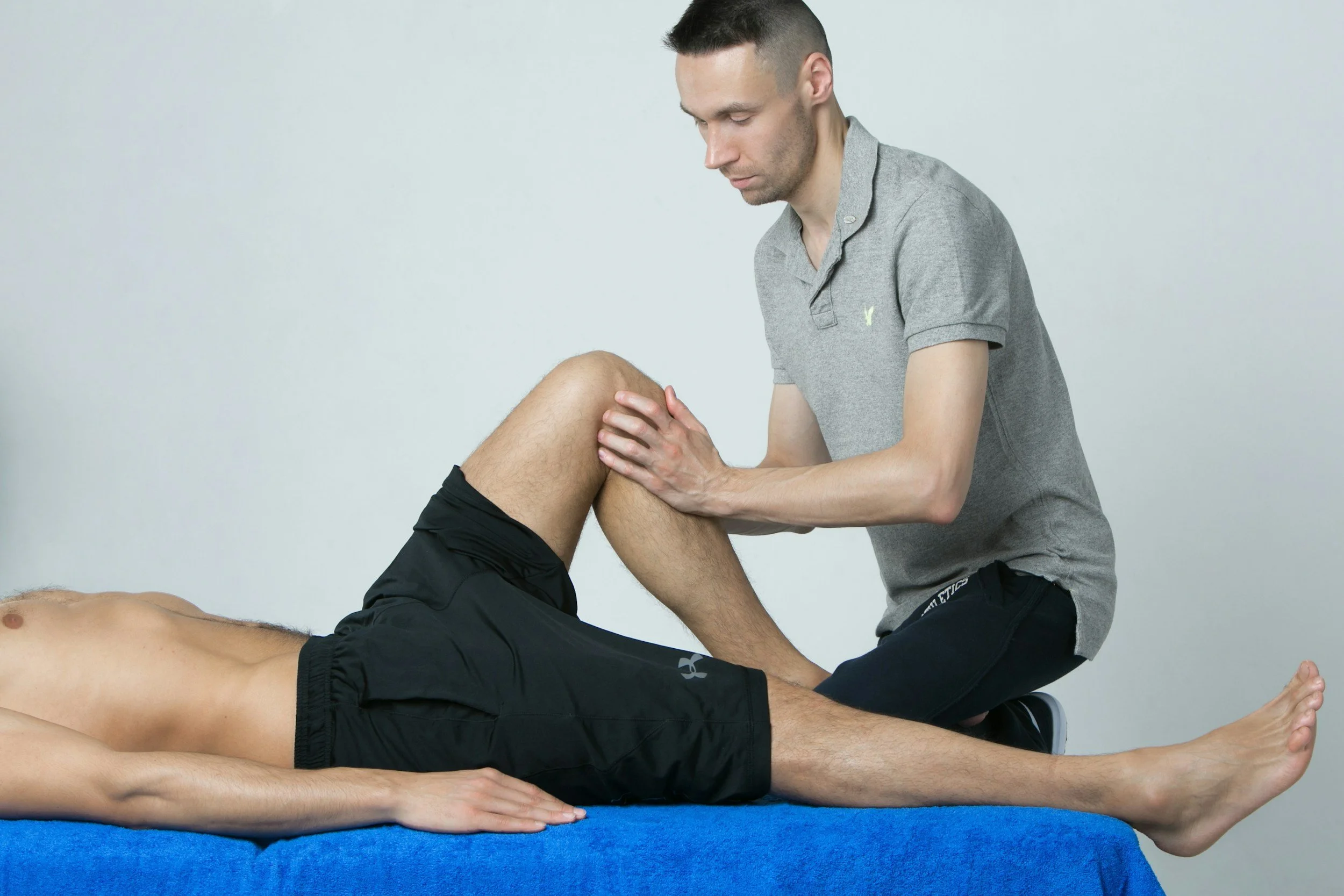
The knee is a hinge caught between two much more mobile joints. What happens at the hip and the foot largely determines what the knee has to absorb, which is why knee pain so often originates somewhere other than the knee itself. Weakness through the glutes, restricted ankle movement, a change in footwear, or a sudden increase in training volume can all present as knee pain.
Pain may come from overuse, a specific injury, biomechanical factors, or age-related joint changes. Identifying which of these applies, and what is driving it, determines the treatment.
Common Knee Conditions We Treat
Patellofemoral Pain (Runner's Knee)
A diffuse ache around or behind the kneecap, typically worse with running, squatting, stairs, and prolonged sitting. It is one of the most common presentations we see and generally responds well to graded strengthening through the hip and quadriceps, alongside training load adjustment.
Knee Osteoarthritis
A leading cause of knee pain in adults over fifty, presenting as stiffness after rest, swelling, and difficulty standing up after sitting. Exercise-based management is recommended in clinical guidelines as a first-line treatment. We deliver the GLA:D program, an internationally recognised, research-backed education and exercise program for hip and knee osteoarthritis.
Patellar And Quadriceps Tendinopathy
Localised tendon pain below or above the kneecap, common in runners, jumpers, and gym goers. Pain typically warms up during activity and worsens afterwards. Management centres on load modification and progressive loading, with shockwave therapy considered for persistent presentations.
Iliotibial Band Syndrome
A sharp or burning pain on the outside of the knee, most often provoked by running and descending stairs. Treatment addresses the hip and gluteal strength deficits and training factors that generate the compression, rather than attempting to stretch the band itself.
Post-Surgical Knee Rehabilitation
Guided rehabilitation following knee replacement, reconstruction, or arthroscopy, working within your surgeon's protocol where one has been provided.
Meniscal And Ligament Injuries
Meniscal irritation, medial and lateral ligament sprains, and cruciate ligament injuries. Many meniscal presentations respond to structured rehabilitation without surgery. Where specialist review is appropriate, your physiotherapist will discuss referral.
Knee Pain Symptoms To Look Out For
Pain at the front of the knee with stairs, squatting, or after prolonged sitting
Sharp or burning pain on the outside of the knee during running
Stiffness first thing in the morning or after a period of rest
Swelling, warmth, or a sense of fullness around the joint
Clicking, catching, locking, or a feeling that the knee may give way
Pain that warms up during activity and worsens the following day
Difficulty fully straightening or bending the knee
When To Seek Urgent Medical Care
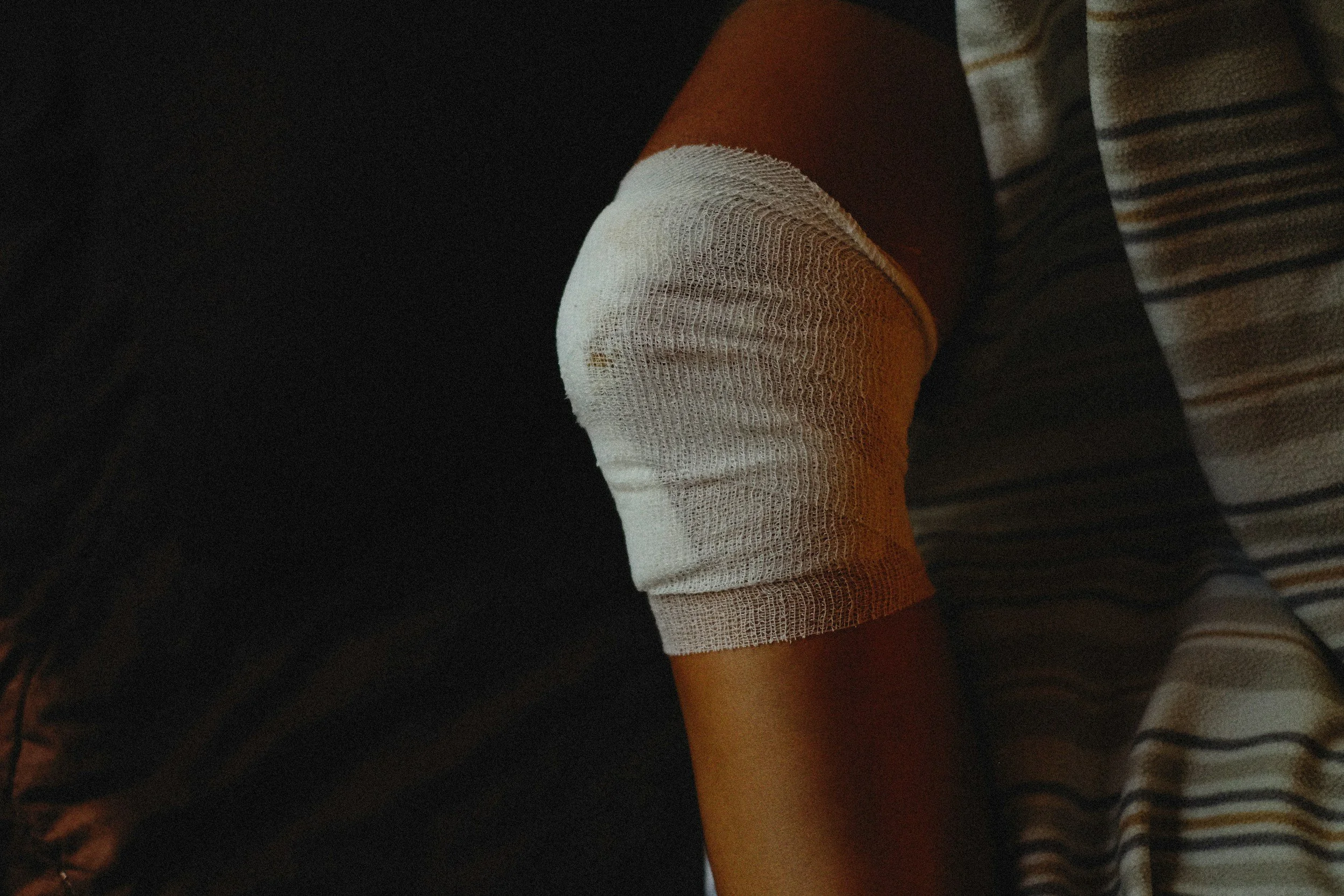
Some presentations require immediate medical assessment rather than a physiotherapy appointment. These include an inability to bear weight after an injury, an obvious deformity or suspected dislocation, a knee that locks and will not straighten, rapid and significant swelling within hours of an injury, or a hot, red, swollen joint accompanied by fever, which may indicate infection.
How Physiotherapy May Help Knee Pain
Australian and international clinical guidelines recommend exercise-based physiotherapy as a first-line approach for most knee pain, including osteoarthritis and patellofemoral pain, ahead of imaging or surgery. For knee osteoarthritis and degenerative meniscal tears, evidence indicates structured exercise produces outcomes comparable to arthroscopic surgery for many people. Outcomes vary between individuals.
Treatment is tailored to your presentation and may include:
Whole-Chain Assessment
Your physiotherapist assesses the knee alongside the hip, ankle, and foot, examining strength, movement patterns, and load history to identify what is generating the symptoms.
Dry Needling
Dry needling can help release muscle tension and trigger points around the knee, hip, and thigh that may be contributing to your pain. It is used alongside other treatment rather than on its own.
Exercise Rehabilitation
Graded strengthening is the most reliably effective intervention for knee pain. Programs typically target the quadriceps, gluteal muscles, and calf, progressing from pain management into strength, then into activity-specific loading.
Shockwave Therapy
For persistent tendon-related knee pain, including patellar tendinopathy, shockwave therapy may help reduce pain and support tissue recovery. Our certified physiotherapists complete a pre-treatment screening to assess whether it is clinically appropriate for you.
Hands-On Physiotherapy
Manual therapy and soft tissue work can help reduce joint stiffness and improve range of motion, particularly early on. It is used alongside exercise rather than in place of it.
Return-To-Run And Load Management
For runners, we assess training volume, footwear, and movement patterns, then build a graded return-to-run program that reintroduces load at a rate your tissue can tolerate.
The GLA:D Program
For hip and knee osteoarthritis, we deliver GLA:D, a structured education and neuromuscular exercise program developed in Denmark and supported by international research. It aims to reduce pain, improve function, and help many participants delay or avoid surgical intervention. Eligibility is assessed at your initial appointment.
What to Expect at Your Appointment
Detailed history: we discuss when symptoms started, what aggravates and eases them, your sleep, work, and training demands, and any relevant imaging or surgical history.
Physical assessment: your physiotherapist examines shoulder range, rotator cuff strength, scapular control, thoracic mobility, and nerve function, and screens for red flags.
Treatment on the day: based on the findings, treatment begins in the same session, which may combine hands-on therapy, dry needling, or shockwave therapy with guided exercise.
Home program: you leave with a personalised, progressive exercise plan including video instructions and clear guidance on load and activity.
Same day appointments are available at both clinics.
Why Choose SportsHealth Physio For Knee Pain
Same day appointments, open seven days a week
AHPRA registered physiotherapists, including an APA Sports Physiotherapist and clinicians with postgraduate qualifications
Certified providers of the GLA:D program for hip and knee osteoarthritis
Clinicians certified in dry needling and shockwave therapy
Two convenient Melbourne clinics with on-site rehabilitation space
Home programs supplied with video demonstrations and written instructions
No referral required for private appointments
Why Choose SportsHealth Physio For Shoulder Pain
Same day appointments, open seven days a week
AHPRA registered physiotherapists, including an APA Sports Physiotherapist and clinicians with postgraduate qualifications
Clinicians certified in dry needling and shockwave therapy
Two convenient Melbourne clinics with on-site rehabilitation space
Evidence-informed care aligned with current clinical guidelines
Home programs supplied with video demonstrations and written instructions
No referral required for private appointments
Our Clinic Locations
620 Victoria Street, Richmond VIC 3121
Located in Victoria Gardens Shopping Centre, our Richmond clinic services patients from Abbotsford, Hawthorn, Burnley, Collingwood, and East Melbourne.
38-40 Garden Street, South Yarra VIC 3141
Located opposite The Jam Factory, our South Yarra clinic is convenient for patients from Toorak, Prahran, Cremorne, and St Kilda.
Book Knee Pain Treatment Today
You do not need a referral to see a physiotherapist. Book online, call (03) 8395 4050, or send us a text to arrange a same day appointment at Richmond or South Yarra.
Frequently Asked Questions
Still have questions? Take a look at the FAQ or reach out anytime. If you’re feeling ready, go ahead and apply.
-
Knee pain frequently develops without any single triggering event. Common contributors include a gradual increase in training volume, muscle weakness through the hip and quadriceps, restricted ankle mobility, a change in footwear, prolonged sitting, and age-related joint changes such as osteoarthritis. Because the knee absorbs what the hip and foot do not manage, the source often sits above or below the painful area. Assessment identifies which factors apply to you.
-
Exercise-based physiotherapy is recommended in clinical guidelines as a first-line treatment for knee osteoarthritis, ahead of surgery. Strengthening the muscles around the joint, improving movement quality, and learning joint-protection strategies can reduce pain and improve function. We deliver the GLA:D program, an internationally researched education and exercise program for hip and knee osteoarthritis. Many participants report improved function, though outcomes vary between individuals.
-
GLA:D stands for Good Life with Arthritis: Denmark. It is a structured program combining education sessions with supervised neuromuscular exercise, developed from Danish research and now delivered internationally. It is designed for people with hip or knee osteoarthritis symptoms, including those who have not yet had imaging. Eligibility is assessed at your initial appointment. Some people with advanced joint changes or other conditions may be better suited to an individualised program.
-
Pain and stiffness after prolonged sitting, sometimes called the theatre sign, is a hallmark of patellofemoral pain. Holding the knee bent for extended periods increases compression between the kneecap and the thigh bone. It is also common in early osteoarthritis, where the joint stiffens during rest and takes several steps to loosen. Neither presentation means damage is occurring, but both respond to targeted strengthening.
-
Not necessarily. For degenerative meniscal tears, which develop gradually rather than through a single traumatic incident, evidence indicates structured exercise therapy produces outcomes comparable to arthroscopic surgery for many people. Traumatic tears in younger patients, or knees that lock and will not straighten, may warrant surgical review. Your physiotherapist can assess your presentation and discuss whether specialist referral is appropriate. This decision involves you and your doctor.
-
It depends on the condition. Acute, uncomplicated presentations may improve within two to four weeks. Patellofemoral pain typically responds over six to twelve weeks of consistent strengthening. Tendinopathy and osteoarthritis usually require a longer, progressive program measured in months rather than weeks. Pain often eases well before strength returns, and stopping at that point is a common reason symptoms recur. Your physiotherapist will outline a timeline after assessment.
-
Yes. Running-related knee pain, including patellofemoral pain and IT band syndrome, is one of the most common presentations we treat. Management involves assessing your training load, footwear, strength, and movement patterns, then addressing the specific factors overloading the knee. Complete rest is rarely the answer, as it does not resolve the underlying deficit. We build a graded return-to-run program alongside strengthening.
-
Shockwave therapy is typically described as mildly uncomfortable rather than painful, and sessions are short. Some tenderness in the treated area for a day or two afterwards is normal. It may help reduce pain and support tissue recovery in persistent tendon conditions such as patellar tendinopathy, and works best alongside graded loading rather than as a standalone treatment. Suitability is screened before treatment, and responses differ between individuals.
-
Complete rest is rarely helpful beyond the first day or two. Most knee conditions respond better to modified activity than to avoidance, because loading is what builds tolerance. The aim is to find the level your knee accepts and progress from there. Some discomfort during rehabilitation exercises is acceptable. Sharp pain, or pain that lingers into the following day, is a sign to adjust the load rather than stop entirely.
-
No. Physiotherapists in Australia are primary contact practitioners, so you can book directly without seeing a GP first. A referral or care plan is only required if you intend to claim through Medicare, WorkCover, TAC, or NDIS. Private health insurance extras cover generally does not require one. Our reception team can explain which pathway applies to your situation before you attend.
This page is intended for general information purposes only and does not constitute medical advice. Please consult a qualified health professional for advice tailored to your individual needs.