
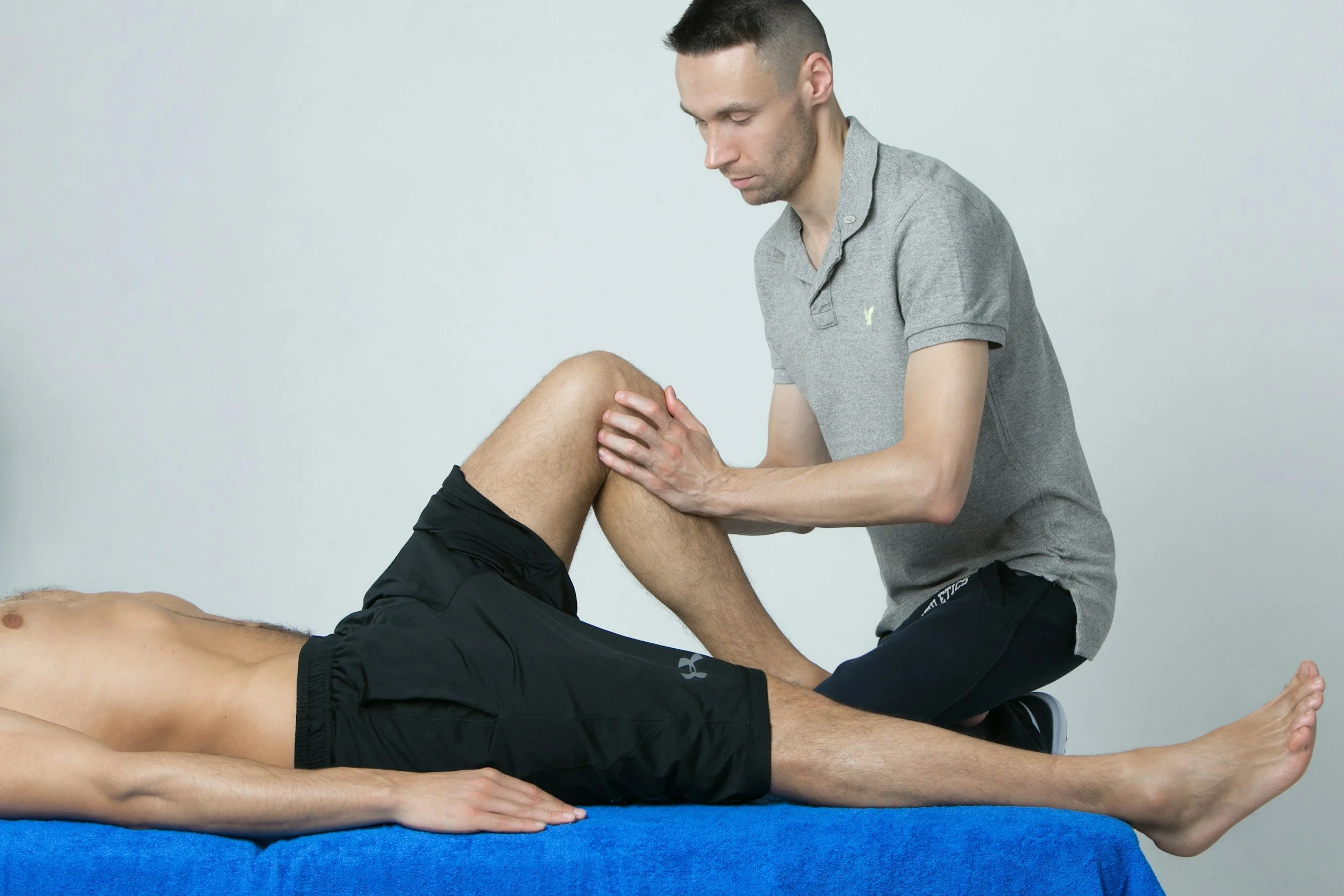
Recover Stronger with ACL Injury Physiotherapy
ACL Injury Physiotherapy
An ACL injury can feel like a significant setback, whether it happened on the sports field, during training, or in everyday life. At SportsHealth Physio, our team includes APA Sports Physiotherapists with extensive experience in ACL rehabilitation. From initial assessment through to return to sport, we provide structured, evidence-based care at our Richmond and South Yarra clinics.
Whether you are exploring conservative management or preparing for ACL reconstruction surgery, physiotherapy plays a central role in your recovery. We offer same day appointments so you can start your rehabilitation journey as soon as possible.
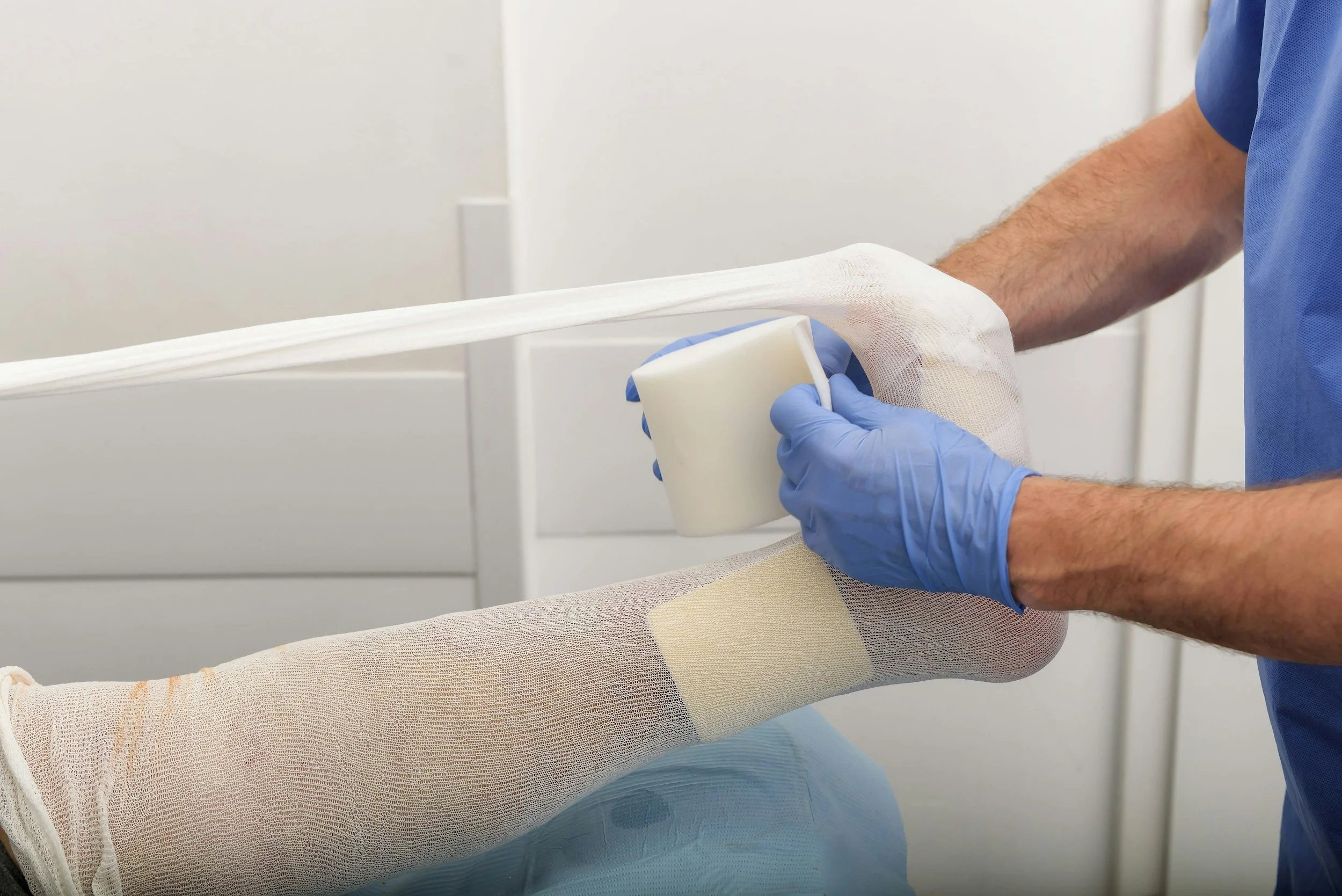
What Is an ACL Injury?
The anterior cruciate ligament (ACL) is one of four major ligaments in the knee. It connects the thigh bone (femur) to the shin bone (tibia) and plays a critical role in stabilising the knee during movements like pivoting, cutting, and landing.
An ACL injury occurs when this ligament is stretched, partially torn, or completely ruptured. ACL injuries are graded by severity:
Grade 1 (sprain): the ligament is stretched but still intact, with mild pain and minimal instability
Grade 2 (partial tear): the ligament is partially torn, causing moderate pain, swelling, and some knee instability
Grade 3 (complete tear): the ligament is fully ruptured, resulting in significant instability and difficulty bearing weight
Complete ACL tears are the most common presentation and typically require a decision between surgical reconstruction and conservative (non-surgical) management, both of which involve extensive physiotherapy rehabilitation.
How Does an ACL Injury Happen?
ACL injuries most commonly occur during activities that involve sudden changes of direction, pivoting, or landing from a jump. In Australia, they are particularly prevalent in sports such as:
AFL and rugby: tackling, rapid direction changes, and contested marking
Netball and basketball: landing from jumps, sudden stopping, and pivoting
Soccer: cutting and changing direction at speed
Skiing: twisting falls and sudden stops
The injury often happens through a non-contact mechanism, where the knee buckles inward during a pivot or awkward landing. Many people report hearing or feeling a "pop" at the time of injury, followed by rapid swelling and difficulty putting weight on the leg.
ACL injuries can also occur alongside damage to other structures in the knee, including the meniscus (cartilage), medial collateral ligament (MCL), or articular cartilage.
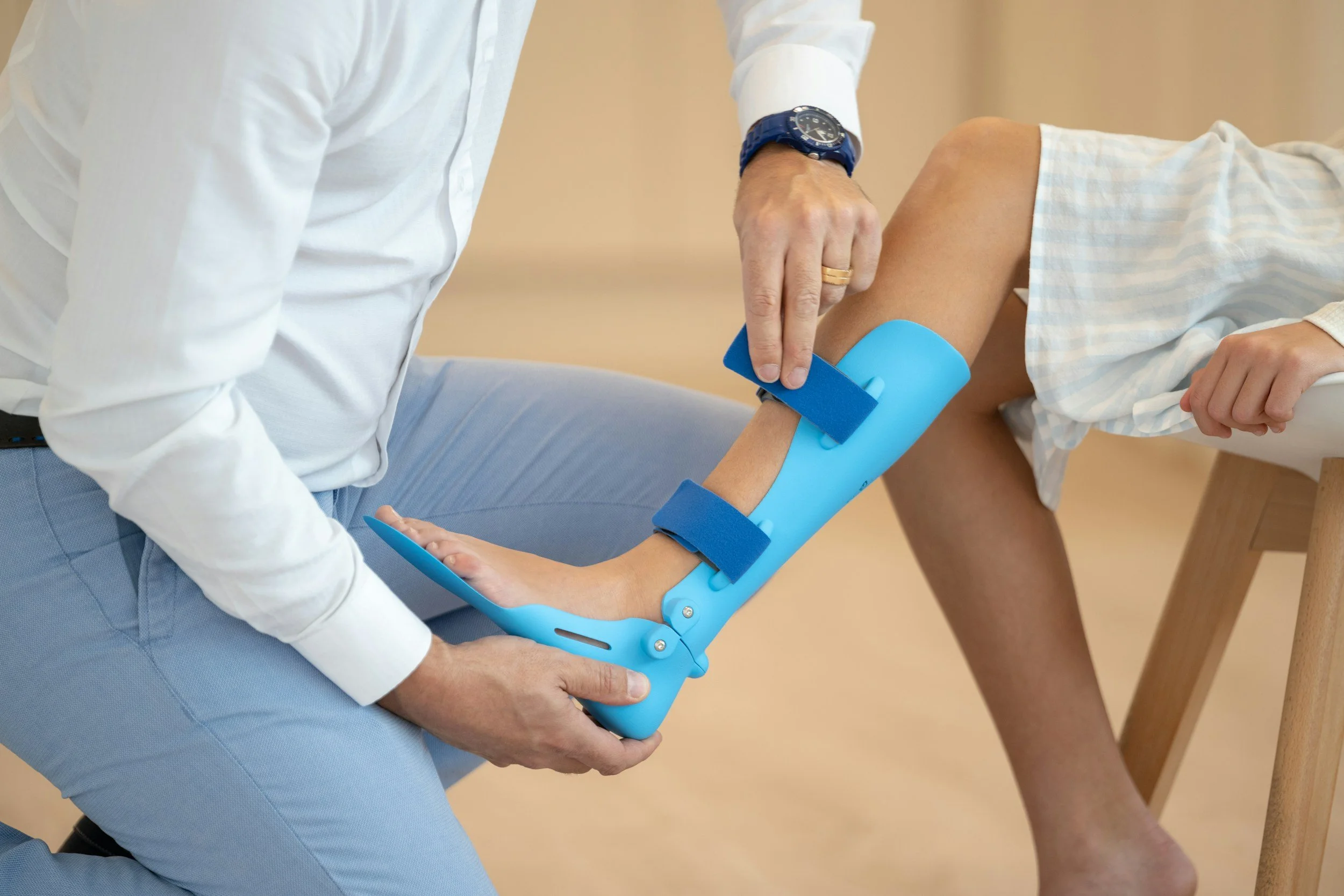
Signs and Symptoms of an ACL Injury
If you have injured your ACL, you may notice some or all of the following:
A popping sensation or audible "pop" at the time of injury
Rapid swelling within the first few hours
Pain and tenderness around the knee joint
Feeling of knee instability or the knee "giving way"
Difficulty walking or bearing weight on the affected leg
Reduced range of motion, particularly difficulty fully straightening the knee
If you experience these symptoms, it is important to have your knee assessed by a physiotherapist or sports medicine professional. Early assessment helps determine the extent of the injury and guides the most appropriate management plan.
ACL Treatment Pathways
Following an ACL injury, you and your medical team will decide between two main treatment pathways. Physiotherapy is essential in both.
Surgical Pathway (ACL Reconstruction)
ACL reconstruction involves replacing the torn ligament with a graft, typically from your hamstring or patellar tendon. Surgery is commonly recommended for people who want to return to pivoting sports, those with significant knee instability, or when the injury involves additional damage to the meniscus or other ligaments.
Physiotherapy is critical both before and after surgery:
Pre-operative rehabilitation (prehab): aims to reduce swelling, restore range of motion, and strengthen the muscles around the knee before surgery. Research indicates that a structured prehab program may improve post-surgical outcomes.
Post-operative rehabilitation: a progressive program typically spanning 9 to 12 months, guiding you through range of motion recovery, strength building, neuromuscular control, and sport-specific training.
Conservative (Non-Surgical) Pathway
For some patients, particularly those who do not participate in high-demand pivoting sports, conservative management may be a suitable option. This involves a structured physiotherapy program focused on strengthening the muscles that support the knee (particularly the quadriceps and hamstrings), improving neuromuscular control, and restoring functional movement.
Your physiotherapist can help you understand the benefits and considerations of each pathway based on your injury, activity goals, and lifestyle.
How Our Physiotherapists Help With ACL Rehabilitation
At SportsHealth Physio, ACL rehabilitation is one of our areas of clinical focus. Our team includes APA Sports Physiotherapists with postgraduate qualifications and experience managing ACL injuries from initial assessment through to return to sport.
Phase 1:
Acute Management (Weeks 0-2)
The initial focus is on managing pain and swelling, restoring range of motion, and activating the quadriceps. Treatment may include hands-on therapy, gentle exercises, and guidance on weight-bearing and movement.
Phase 3:
Functional Training (Months 2-4)
This phase introduces dynamic movement patterns including balance, proprioception, and single-leg exercises. The goal is to restore confidence in the knee and prepare the body for more demanding activities.
Phase 2:
Strength Foundation (Weeks 2-8)
As swelling settles and range of motion improves, the focus shifts to rebuilding strength in the quadriceps, hamstrings, and hip stabilisers. Exercises progress from basic activation to loaded strengthening.
Phase 4:
Sport-Specific Rehabilitation (Months 4-9+)
For patients returning to sport, this phase includes running progression, agility drills, plyometrics, and sport-specific movements. Training intensity gradually increases to match the demands of your sport.
Phase 5:
Return to Sport Testing
Before returning to full sport, we conduct a battery of objective tests to assess strength symmetry, hop performance, movement quality, and psychological readiness. These criteria-based assessments help determine whether you are ready to return safely.
Treatment Approaches We Use
Your ACL rehabilitation program may incorporate a range of evidence-based treatments depending on your stage of recovery:
Hands-on physiotherapy: joint mobilisation and soft tissue techniques to manage stiffness and restore movement
Exercise rehabilitation: progressive strength, balance, and functional training prescribed to your specific phase of recovery
Dry needling: may help address muscle tightness and pain in the quadriceps, hamstrings, and calf that commonly develops during rehabilitation
Shockwave therapy: may be used for persistent tendon pain (e.g., patellar tendinopathy) that can occur during the rehabilitation process
Clinical Pilates: reformer-based sessions can complement your rehabilitation by targeting core stability, hip control, and lower limb alignment
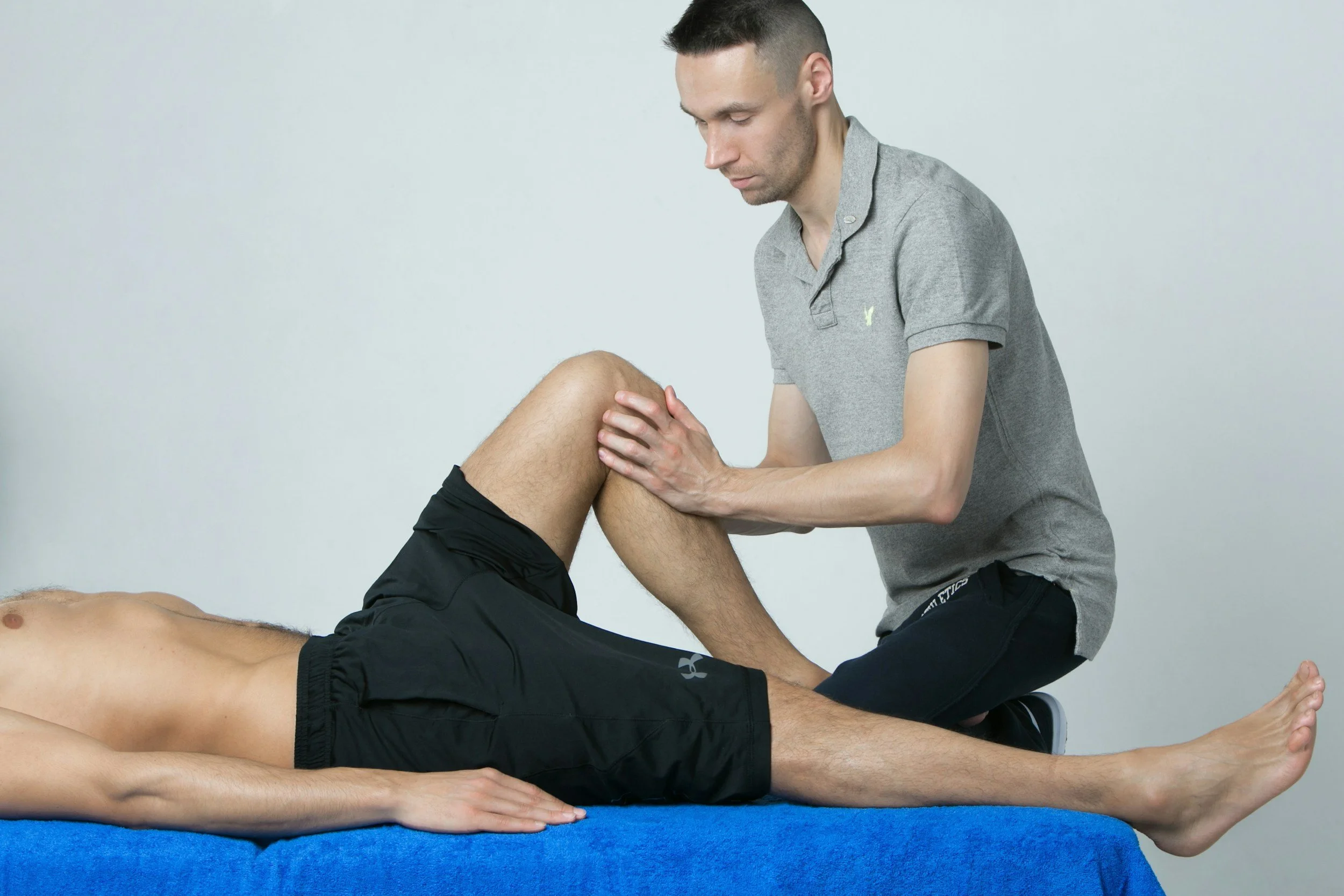
Who We Help
ACL injuries affect a wide range of people. At SportsHealth Physio, we provide ACL rehabilitation for:
Weekend warriors and community athletes playing AFL, netball, soccer, basketball, and other sports
Competitive and elite athletes requiring structured return-to-sport programs
Active adults who have sustained an ACL injury during recreational activities or daily life
Patients post ACL reconstruction needing supervised, progressive rehabilitation
Patients choosing conservative management who want a structured non-surgical recovery program
We accept private health insurance, WorkCover, TAC, NDIS, and Medicare (with a valid GP referral). Our clinics are open seven days a week.
Convenient Clinic Locations
620 Victoria Street, Richmond VIC 3121
Located in Victoria Gardens Shopping Centre, our Richmond clinic services patients from Abbotsford, Hawthorn, Burnley, Collingwood, and East Melbourne.
38-40 Garden Street, South Yarra VIC 3141
Located opposite The Jam Factory, our South Yarra clinic is convenient for patients from Toorak, Prahran, Cremorne, and St Kilda.
Both clinics offer same day appointments, modern treatment facilities, and physiotherapists trained in dry needling and shockwave therapy.
Frequently Asked Questions
Still have questions? Take a look at the FAQ or reach out anytime. If you’re feeling ready, go ahead and apply.
-
Recovery timelines vary depending on whether you undergo surgery or follow a conservative pathway. ACL reconstruction rehabilitation typically takes 9 to 12 months before return to sport, though some patients may take longer. Conservative management may allow a return to lower-demand activities sooner, but timelines depend on your individual progress and goals.
-
Not always. The decision depends on factors including the severity of the tear, your activity goals, the degree of knee instability, and whether other structures are damaged. Your physiotherapist and orthopaedic surgeon can help you weigh the options. Many patients, particularly those not returning to pivoting sports, do well with a structured non-surgical rehabilitation program.
-
Prehab refers to physiotherapy completed before ACL reconstruction surgery. It focuses on reducing swelling, restoring range of motion, and strengthening the knee. Research suggests that patients who complete prehab tend to have better outcomes after surgery, including faster recovery of strength and function.
-
As soon as possible. Whether you are having surgery or managing conservatively, early physiotherapy helps reduce swelling, maintain range of motion, and prevent muscle wasting. If surgery is planned, starting prehab promptly may improve your post-surgical recovery.
-
Many people successfully return to sport after an ACL injury, including high-demand pivoting sports. Return to sport decisions are guided by objective testing, including strength assessments, hop tests, and movement quality evaluations, alongside your confidence and readiness.
-
In Australia, sports with the highest rates of ACL injury include AFL, netball, soccer, basketball, rugby, and skiing. These sports involve frequent pivoting, jumping, landing, and rapid changes of direction, which place high demands on the ACL.
-
A completely torn ACL does not typically heal on its own. However, many people can achieve good knee function without surgical reconstruction through a structured physiotherapy program that strengthens the surrounding muscles and improves neuromuscular control. The suitability of this approach depends on your individual circumstances and activity goals.
-
For current pricing and to check if you are eligible for a rebate through your private health fund, Medicare, WorkCover, TAC, or NDIS, please contact our team or visit our bookings page.
-
No referral is needed to see a physiotherapist in Australia. You can book directly with our team. If you are claiming through Medicare, WorkCover, TAC, or NDIS, a referral or care plan from your GP may be required.
-
Yes. We offer same day appointments at both our Richmond and South Yarra clinics. Call us on (03) 8395 4050 or book online to secure a time that suits you.